
Orthopedic Coordination
in China
Helping international patients access and arrange orthopedic care — including joint replacement and sports injury treatment — through established facilities across China.
ChinaMed Waypoint is a coordination service, not a medical provider. We help arrange appointments and logistics. All decisions — including whether orthopedic procedures are appropriate for you — should be made with your own physician or orthopedic specialist.
Overview
Orthopedic care covers diagnosis and treatment of conditions affecting the musculoskeletal system — bones, joints, ligaments, tendons, and muscles. For international patients exploring orthopedic care in China, procedures may include joint replacement surgery, sports injury treatment, fracture management, and rehabilitation, typically provided through orthopedic departments at large hospital facilities.
This page explains how orthopedic care can be arranged in China and what our scheduling coordination support involves. For a detailed informational overview of orthopedic services and procedures, see our guide on orthopedic care in China for international patients.
Types of Orthopedic Care
Several types of orthopedic care are commonly explored by international patients visiting China. The specific procedure and approach depend on the patient's condition and the treating team's clinical assessment.
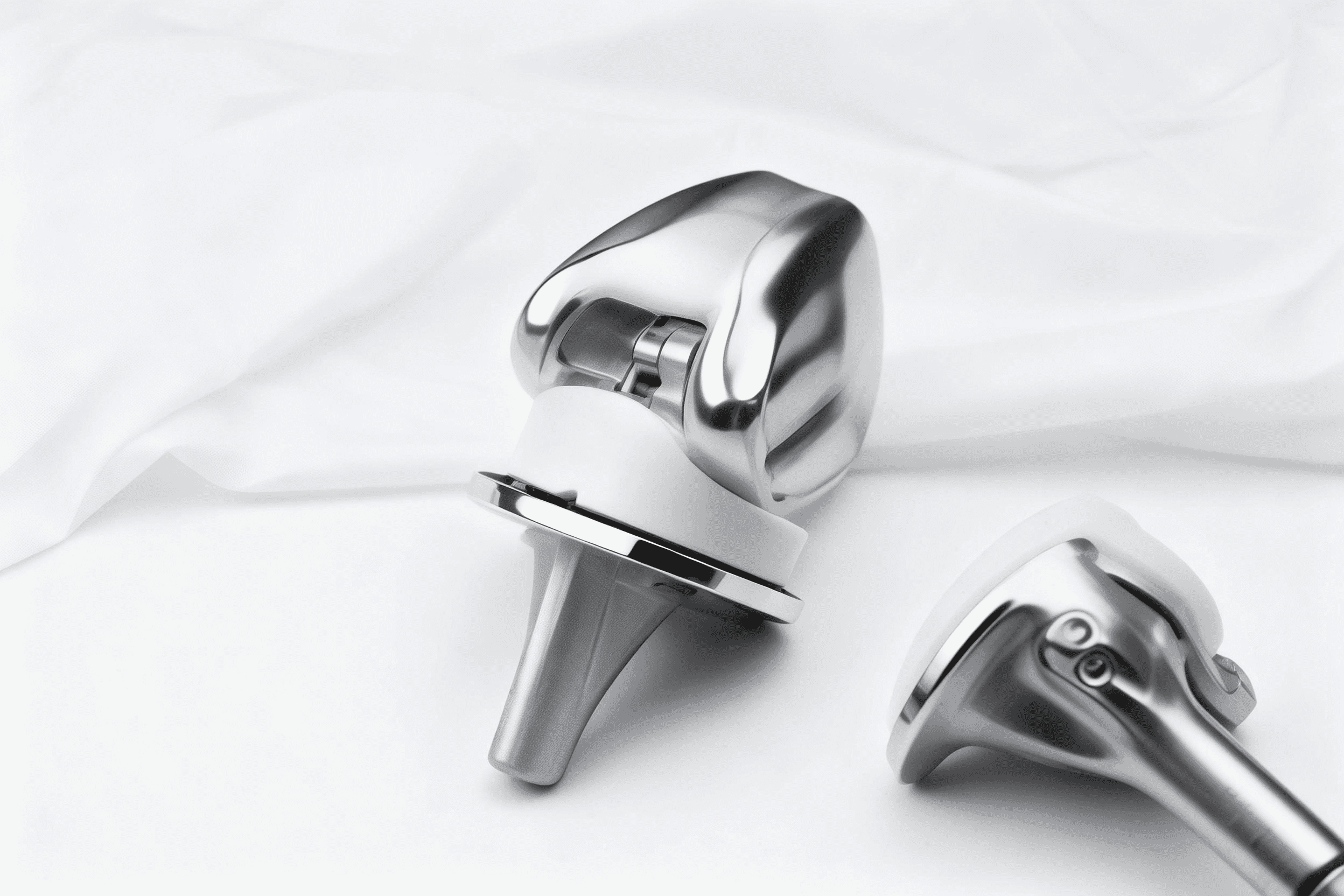
Joint Replacement — Knee and Hip
Knee and hip replacement surgeries involve replacing damaged joint surfaces with prosthetic components designed to restore movement. These procedures may be evaluated when arthritis or joint degeneration has progressed significantly and other treatments are no longer providing adequate relief. See our detailed guides on knee replacement surgery in China and hip replacement surgery in China.
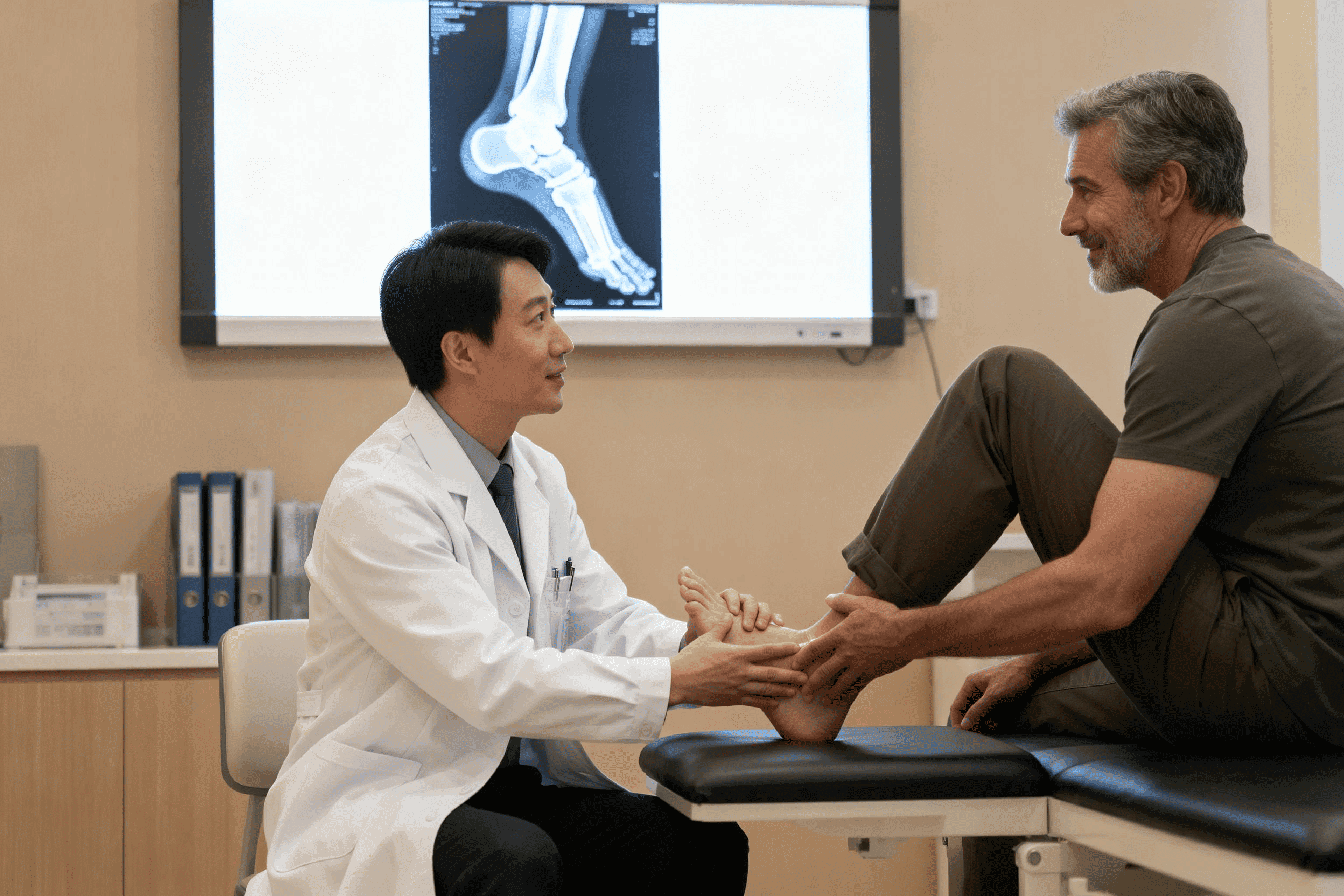
Foot and Ankle Replacement
Foot and ankle replacement may be evaluated when severe joint damage affects weight-bearing and mobility. For a detailed overview of these procedures, see our informational guide on foot and ankle replacement surgeries for foreign patients.
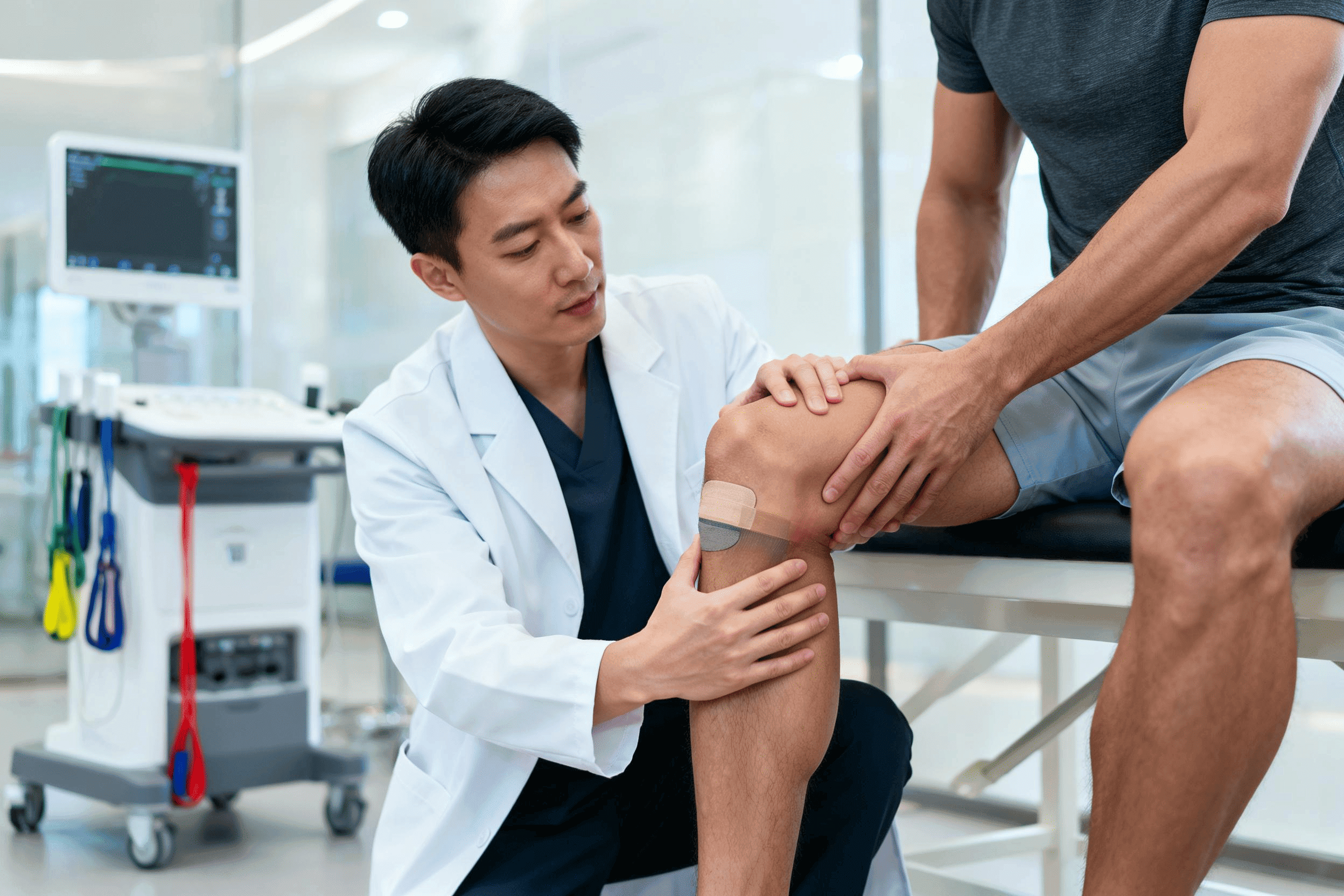
Sports Injury Treatment
Orthopedic sports injury treatment may include management of ligament tears (such as ACL injuries), tendon damage, cartilage injuries, and joint instability. Treatment may involve rehabilitation, minimally invasive procedures, or surgical reconstruction, depending on clinical findings. See our informational guide on sports injury treatment in China.

Rehabilitation and Physiotherapy
Rehabilitation is typically an important part of orthopedic recovery. Physiotherapy programmes following joint replacement or sports injury treatment help restore mobility, strength, and function over time.
Our Coordination Network
ChinaMed Waypoint works with orthopedic departments and specialist facilities across major Chinese cities. This allows us to help international patients connect with facilities that have the specific capabilities relevant to their orthopedic care needs.
Weight-Bearing CT Scanning — Advanced Diagnostic Capability
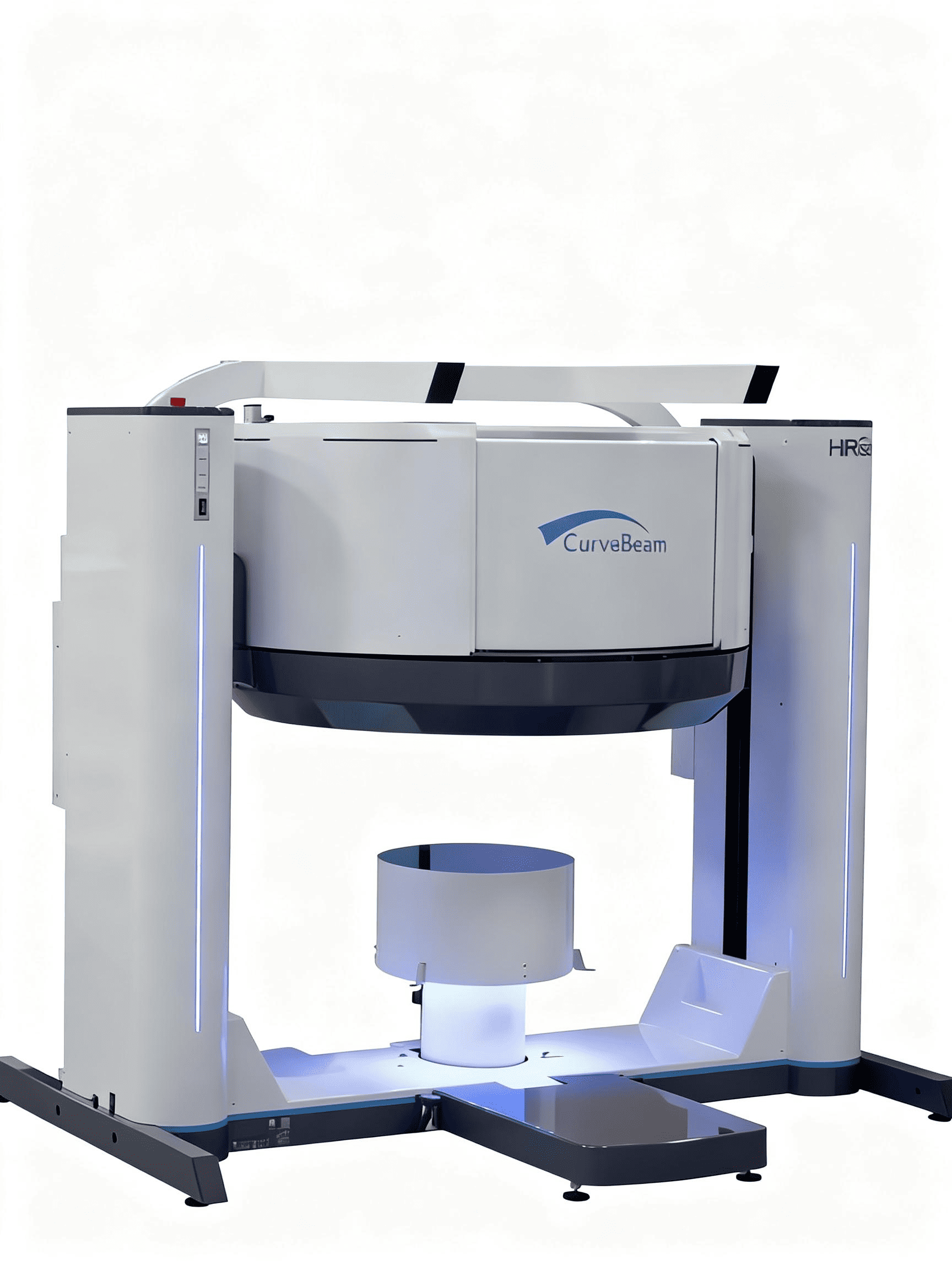
Some of our partner facilities are equipped with weight-bearing CT scanners — imaging technology that captures joint structure while the patient is in the standing position. This is distinct from conventional CT scans, which are performed lying down.
Because weight-bearing CT imaging captures the joint under load — as it functions during normal standing and movement — it can provide more clinically relevant information for diagnosing certain foot, ankle, and knee conditions. This technology supports more personalized treatment planning for weight-bearing joint conditions.
Note: Weight-bearing CT scanners are not available at all orthopedic facilities. Where clinically relevant, we can help coordinate access to facilities with this diagnostic capability. Whether this imaging is appropriate for your specific situation is a clinical decision for your treating team.
Our role is logistical, not clinical — we help you understand your options, coordinate access to appropriate facilities, and manage the scheduling and communication involved. The clinical judgment about which procedure or facility is right for your specific situation remains with you and your treating physician.
How Orthopedic Treatment Typically Works
Orthopedic treatment typically follows a multi-stage process. Understanding these stages can help international patients plan their visit and set realistic expectations. The treating team will determine the specific approach for your situation.
Medical Evaluation
The first step typically involves a consultation and diagnostic evaluation, including review of medical history, imaging such as X-rays or MRI, and assessment of joint mobility and overall physical condition. These assessments help determine whether surgical or non-surgical treatment may be appropriate.
Treatment Planning
Based on the evaluation, the orthopedic team develops a treatment plan tailored to the patient's condition. This may involve physiotherapy, minimally invasive procedures, or joint replacement surgery. Treatment timelines and approaches vary depending on individual health factors and clinical judgment.
Procedure and Hospital Care
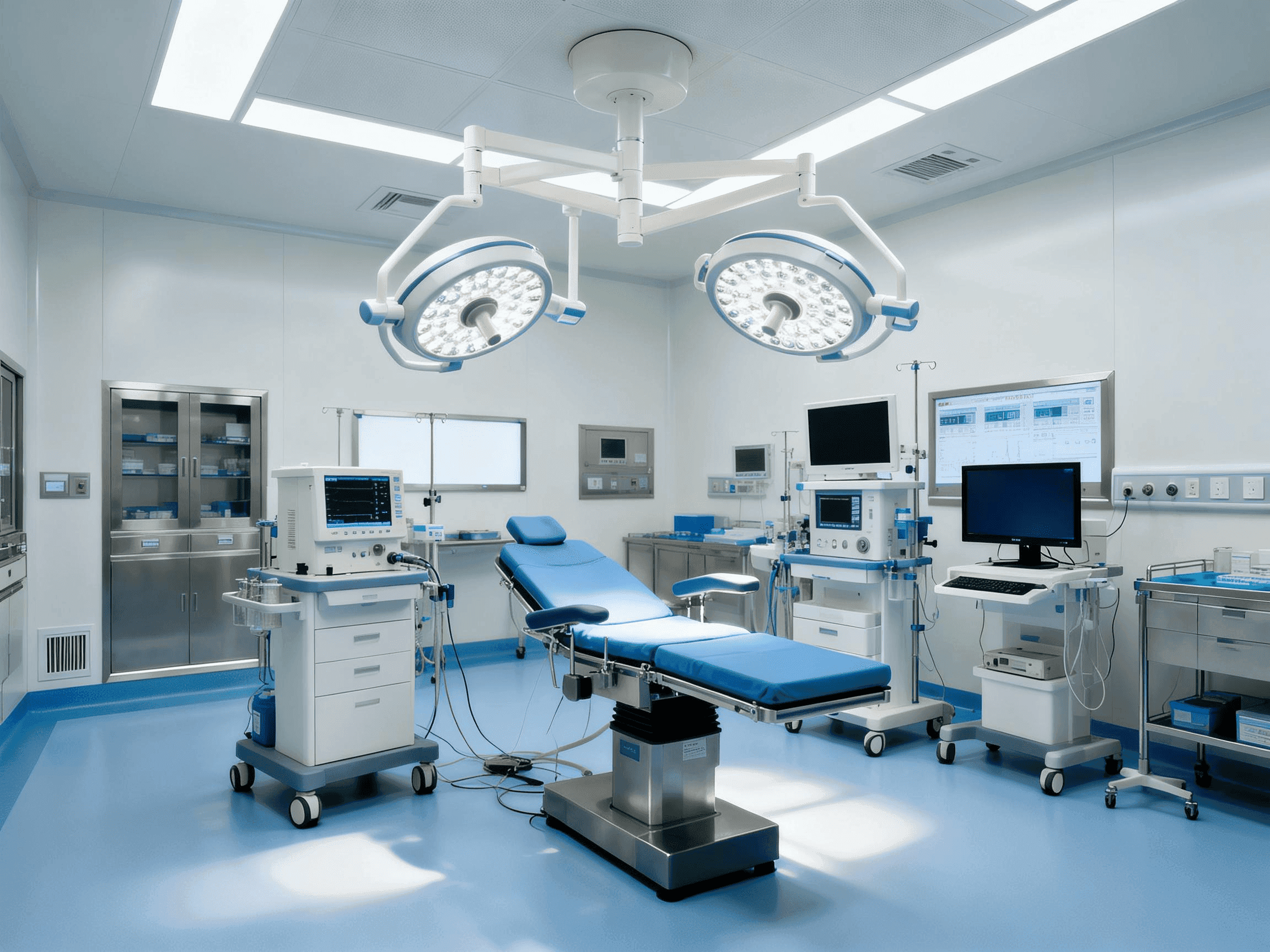
Orthopedic surgeries are typically performed in hospital operating rooms under anesthesia. The specifics of the procedure depend on the joint involved and the planned surgical approach, as determined by the treating team.
Rehabilitation and Recovery
Recovery after orthopedic surgery typically involves physiotherapy, gradual weight-bearing progression, and follow-up visits. Recovery timelines vary depending on the procedure and individual patient factors. International patients should plan for adequate time in China to accommodate post-operative care.

Planning consideration: Orthopedic procedures often require rehabilitation after surgery. International patients should plan travel timelines that allow sufficient time for evaluation, the procedure, and post-operative follow-up — rather than assuming a short-stay turnaround.
Why Some International Patients Explore Orthopedics in China
International patients explore orthopedic care in China for a range of reasons. Below is a neutral overview of commonly cited factors. Whether any of these considerations are relevant depends entirely on the individual's situation.

- Access to orthopedic departments within established hospital networks across major Chinese cities
- Availability of specialist diagnostic equipment — including weight-bearing CT imaging at select facilities — that may not be widely available elsewhere
- The ability to combine orthopedic evaluation or treatment with a planned extended stay in China
- Access to experienced orthopedic teams in large hospital settings with structured rehabilitation programmes
Some patients also review their general health status before orthopedic procedures. For information on health preparation during a China visit, see our overview of health screening services in China for foreigners.
Who This Coordination Service May or May Not Be Suitable For
Whether orthopedic care in China is appropriate depends on individual health and clinical factors. The following is general guidance only — your physician or orthopedic specialist should be the primary person assessing your clinical suitability.
This coordination may be helpful for:
- Foreigners and expats who have already received clinical advice about orthopedic treatment and are exploring options in China
- International patients planning an extended stay in China who wish to combine orthopedic consultation with their visit
- Patients seeking help navigating hospital systems, scheduling logistics, and communication in China
- Patients whose treating team recommends specific diagnostic capabilities — such as weight-bearing CT imaging — that may be more readily available through our network
This is general guidance only. Clinical suitability should be confirmed with a qualified healthcare professional.
This coordination may not be appropriate for:
- Patients seeking emergency orthopedic care — emergency situations require immediate local medical attention
- Patients who have not yet consulted a physician about their condition and do not have a clinical assessment or diagnosis
- Patients with complex medical conditions or high surgical risk who require very careful clinical assessment before any travel planning is considered
- Patients expecting ChinaMed Waypoint to provide medical opinions on their orthopedic condition — we do not provide clinical assessments or treatment recommendations
This is general guidance only. Your physician should assess your individual situation and travel suitability.
How We Can Help
ChinaMed Waypoint is a medical travel coordination service. We do not provide medical assessments, diagnoses, or treatment recommendations. Our role is logistical and organisational.
If you are considering orthopedic care in China, we can assist with:
- Understanding your timeline and helping you plan the logistics of your visit
- Explaining typical scheduling steps and preparation requirements for orthopedic consultations
- Coordinating appointments with orthopedic departments and hospital facilities across China
- Helping connect patients with facilities equipped with specific diagnostic capabilities — such as weight-bearing CT imaging — where relevant to the patient's referral needs
- Reviewing existing medical records or imaging to help prepare for consultations
- Supporting communication and logistics before, during, and after appointments
- Assisting with recovery planning and follow-up scheduling logistics
We do not provide orthopedic diagnoses, treatment recommendations, or clinical assessments. All medical decisions remain with the patient and their treating medical team.
Also interested in Traditional Chinese orthopedic therapies such as Zheng Gu bone setting or Tuina? See our TCM orthopedics coordination service for information on how we can help arrange access to integrated TCM and orthopedic care.

A Note on Planning Orthopedic Care Abroad
Decisions about orthopedic procedures — particularly surgical ones — are significant. We encourage patients to approach the process with thorough preparation: gathering complete medical records, consulting their home country physician, and planning travel timelines that allow adequate time for pre-operative evaluation, the procedure itself, and post-operative rehabilitation.
Our coordination team can help reduce the logistical complexity of navigating Chinese healthcare systems — but the clinical decisions belong with you and your treating team. If you have questions about what the process typically involves, we are available to explain.
For patients who are also considering TCM-integrated approaches alongside conventional orthopedic treatment, we can discuss how that coordination typically works as well.
Medical Disclaimer
This page is provided for informational purposes only. ChinaMed Waypoint is not a medical provider and does not offer medical advice, diagnosis, or treatment recommendations. All decisions about whether to undergo orthopedic procedures — and where — must be made in consultation with qualified healthcare professionals. Scheduling coordination does not substitute for clinical assessment. Weight-bearing CT imaging and other diagnostic services mentioned on this page are provided by the treating medical facility, not by ChinaMed Waypoint.
Ready to Discuss Your Situation?
If you are exploring orthopedic care in China and want to understand how coordination support works — from initial consultation through to rehabilitation planning — our team can explain the process and next steps.
We can also advise on what documentation to prepare and how to begin an inquiry with an appropriate orthopedic facility.